
You iced it. You rested. You took time off.
Then you came back — and within a week, the pain was right back.
Sound familiar?
Here’s the truth: shin splints don’t keep coming back because your body is broken. They come back because the real cause was never fixed. Rest is not a fix. It’s just a pause.
This post will tell you what shin splints are, why they keep happening, and what it actually takes to make them stop.
What Are Shin Splints?
Shin splints are pain along the inside of your lower leg — right along the shinbone. The pain usually shows up when you run, jump, or do any hard training. It often gets worse the more you do.
Here’s the most important thing to understand: shin splints are not really a shin problem. They’re a load problem.
Your shin, calf, ankle, and foot all work together as a team. When that team is asked to do more than it’s ready for — more miles, more jumping, harder surfaces — something breaks down. Most of the time, the shin is the first place you feel it.
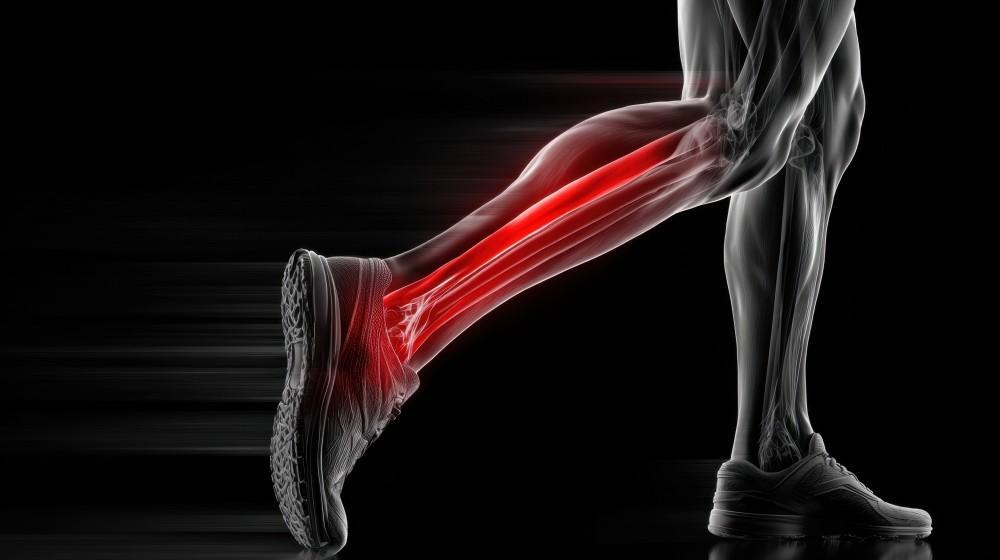
Why It Happens to Hard-Working Athletes
This might sting a little, but it’s true: shin splints hit motivated people the hardest. Because you’re the ones actually out there doing the work.
Here are the most common reasons I see:
- You did too much, too fast. You went from two easy runs a week to four runs plus sleds plus jump rope in a single month. Your drive was there. Your body wasn’t ready.
- You came back from a break too quickly. You had a good base, took six weeks off, and went right back to where you left off. Your fitness came back fast — but your tissues didn’t.
- You added something new without easing in. Hill runs. A new sport. Box jumps. Any new stress added too quickly can push your body over the edge.
- Your shoes are worn out. After 350–500 miles, your shoes lose most of their support — even if they still look fine. Most people run twice that before replacing them.
- Your lower leg is undertrained. Your calves, feet, and ankles take the hit on every single step. If they haven’t been trained to handle that load, they’ll eventually break down.
The Part Nobody Talks About
Rest will make the pain go away for a while. That’s real.
But rest does not build strength. And strength is what stops this from coming back.
A real shin splint plan has two parts:
Part 1: Back off — but don’t stop. You don’t have to quit training. You just need to do less of what hurts. Cut your running back, swap some sessions for biking or walking, and give your shin a chance to calm down. This usually takes 1–2 weeks.
Part 2: Build the parts that failed. This is where most people skip ahead and get hurt again. Part 2 means slowly building up the strength and control your lower leg was missing.
Here’s what that looks like:
- Calf raises — Start with both feet, then one foot, then add weight. Your calves are your main shock absorbers when you run.
- Toe raises (heels stay down, toes come up) — This trains the muscle right next to your shinbone. Most runners have never worked this muscle on purpose.
- Single-leg balance work — Standing on one foot and doing slow, controlled movements builds the ankle and foot stability you need for running.
- Hip and glute work — The way your body loads your shin starts all the way up at your hip. Weak hips mean more stress on your lower leg with every step.
- Walk-run intervals — When you return to running, you work back in gradually. A little run, a little walk, repeat — and only increase when you feel ready.
One simple rule for getting back to running: some mild soreness that goes away by the next morning is usually okay. Pain that gets worse during your run, or is still there the next day, means slow down.
When to Get It Checked Out
Not all shin pain is the same. Some pain is more serious and needs a real look.
See someone if:
- The pain is in one small, specific spot on the bone (not a general ache)
- It hurts when you’re just sitting or lying down
- It gets worse when you hop on one leg
- It hasn’t improved at all after 2–3 weeks of backing off
These can be signs of a stress fracture, which needs a different plan. The sooner you catch it, the faster you get back to training.
How to Stop It From Coming Back
Three things matter most long-term:
- Don’t add too much at once. If you’re running more miles, don’t also add harder workouts that week. If you’re starting plyos, keep your mileage the same. Add one new stress at a time and give your body 2–3 weeks to adjust.
- Train your lower leg all year. Calf and foot work isn’t just for when you’re hurt. It should be part of your normal routine — like brushing your teeth, but for your legs.
- Get a real assessment if it keeps coming back. If this is your second or third time dealing with shin splints, something in the way you move or train keeps overloading the same spot. That’s a solvable problem. But it needs an actual look — not just more rest and hope.
The Short Version
Shin splints are common. They’re also very preventable. The fix is simple: back off the load, build the strength, and return to training the right way.
The reason they keep coming back for most people? They skip the middle step.
If you’re tired of the same cycle — train, get hurt, rest, repeat — the answer isn’t more rest. It’s finding out why your shin keeps getting overloaded in the first place.
Still Dealing With It?
At ADAPT Recharge, I work with runners, HYROX athletes, and active adults who are done letting the same injury interrupt their training every few months.
An assessment gives you a clear picture of what’s going on — your training history, your lower-leg strength, how you move — and a real plan to get back to full training without the guesswork.
And if you want to keep training while we sort it out — most of the time, you can. You don’t have to choose between getting better and staying active. That’s the whole point.
Connect with Train Adapt online
Want daily workout clips, member spotlights, and behind‑the‑scenes looks at life inside the gym? Follow Train Adapt on social to stay plugged into the community and get extra motivation between classes.
- Instagram: https://www.instagram.com/trainadapt/
- Facebook: https://www.facebook.com/trainadapt/